 AUTHOR:
 Why Visit Gili Trawangan for Your Island Style

Gili Trawangan is best chosen by stay style, not by a single “best area.” In Gili Indah, North Lombok Regency, West Nusa Tenggara, Indonesia, your lodging position determines whether the trip feels built around beachfront downtime, easy diving, restaurant-hopping, or nightlife. Browse Gili Trawangan accommodation options by location and travel style.
For most first-time visitors, the strongest all-round recommendation is a stay with practical access to the island’s main activity areas but enough separation for sleep. This suits travelers who want to combine swimming, snorkeling, diving, food and evening energy without committing every night to the busiest strip. The tradeoff is simple: the more convenient your base is for restaurants and nightlife, the more likely you are to hear activity after dark. Travelers comparing standard accommodation can also review these Gili Trawangan hotels.
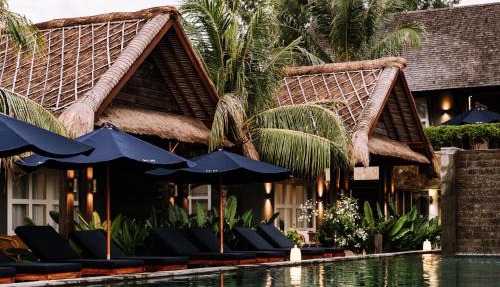
Beachfront relaxation calls for a villa where the shoreline and outdoor space are the main features. Look for a private terrace, a usable garden or pool area, and direct or near-direct beach access rather than choosing on the word “beachfront” alone. This profile suits couples and guests who expect to spend long stretches at the property. It is less suitable if diving access and frequent restaurant visits matter more than privacy, since quieter beachfront positions can make everyday movement less convenient. For this stay style, compare oceanfront rentals with villas offering more private outdoor space.
Divers should prioritize practical access to diving activity over a postcard-facing view. A lodging area closer to the island’s established activity and restaurant zones can make early starts, equipment movement and post-dive meals easier. Snorkeling access also matters, but do not assume every beachfront offers the same conditions; ask about the nearest usable entry point and whether the shoreline is comfortable for swimming. This is the most functional choice for travelers building the day around the water rather than the villa itself. A selection of Gili Trawangan villas can help balance water access with room to relax.
For nightlife, choose a more social lodging area near evening activity and food. It suits solo travelers, friend groups and anyone who wants to walk out for dinner and continue into the night without arranging transport. The honest friction is noise: even a well-appointed villa may not feel quiet if evening activity is close, so guests prioritizing sleep should move farther from the busiest nighttime concentration.
Gili Trawangan’s scale makes walking the default, but luggage and heat can turn a short route into an awkward arrival, especially after bus connections and boat transfers. Before booking, map the lodging area against the beach, snorkeling access, diving operators, restaurants and nightlife—not just the advertised villa features. Choose privacy and outdoor space for a restorative stay; choose central convenience for a social, dive-focused island trip.


 9.8
9.8
-
 Private Beach
 -
 Oceanfront
 -
 Breakfast
 -
 Pool
Pool


 9.4
9.4
-
Private Beach
-
Oceanfront
-
Breakfast
-
 Parking


When Is the Best Time to Visit Gili Trawangan for Diving and Nightlife?
The best time to visit Gili Trawangan is generally during the drier months, roughly May to October, when beach time and boat-linked activities are more dependable; choose the liveliest period for nightlife, or the shoulder months for a quieter diving-and-villa stay. Exact conditions vary by year, so check Indonesian official weather and marine-transport updates before fixing dates.
For diving and snorkeling, the dry-season window usually offers calmer surface conditions and better visibility, though visibility is never guaranteed and can change with wind, currents and recent rain. June to September is the strongest general choice for travelers prioritizing repeated dives and time in the water. May and October can suit visitors who want fewer peak-season pressures, but boat access and snorkeling trips may be more weather-sensitive. The honest friction point is that a good forecast does not eliminate rough crossings or cancelled boat-linked plans.
Beach relaxation is also most reliable from about May through October. July and August are typically the most sought-after months, with more travelers around Gili Trawangan’s lodging areas, restaurants and evening entertainment. That energy suits visitors who want to eat late, meet other travelers and move easily between dinner and nightlife. Expect busier waterfront areas and more competition for quieter stretches of beach.
For a slower villa stay, consider May, June, September or October, especially if your priority is unhurried mornings, diving days and relaxed dinners rather than late-night activity. Consider browsing Gili Trawangan vacation rentals for a quieter base, but confirm walking distances to beaches, snorkeling departures, restaurants and diving operators before booking. For travelers prioritizing views and direct access to the water, oceanfront rentals may also suit the stay. A more secluded villa can improve rest while making spontaneous evening plans less convenient.
The timing choice is therefore straightforward: July or August for the fullest nightlife atmosphere, and the shoulder months for a calmer balance of diving, beach time and restaurant access. Travelers focused on evening entertainment can compare Gili Trawangan nightlife options when deciding where to stay. Outside the drier period, rain, stronger winds and changing sea conditions may reduce snorkeling visibility, shorten beach days or disrupt boat connections; use official forecasts and transport notices rather than treating any month range as a guarantee. Lodging areas on Gili Trawangan differ mainly in this trade-off between nightlife access and nighttime quiet.
How Many Days Do You Need in Gili Trawangan?
For most travelers, plan three nights on Gili Trawangan. That gives you two useful water days, time for several dinners and at least one proper nightlife evening, while leaving enough margin for arrival and departure logistics. A two-night stay works for a short beach break; five nights or more suits divers and travelers who want the island to feel unhurried.
With two nights, keep the plan simple: settle in, swim or snorkel near the accessible beach areas, take one main beach afternoon, then choose a restaurant and nightlife evening. Do not try to combine multiple diving sessions with extensive downtime. Arrival and departure can take more of the day than expected, particularly when transport connections or a bus transfer are involved, so treat those days as partial rather than full activity days.
Three to four nights is the best balanced island visit. Reserve one day for snorkeling, one for diving or another extended water session, and protect an afternoon for beach time. The remaining evenings can alternate between restaurants and nightlife rather than turning every night into a late one. This length also lets you compare the livelier central stay areas with quieter vacation rentals instead of committing your whole trip to one pace.
A diving-focused stay should run about five to seven nights. That allows repeated diving days, weather flexibility, snorkeling as a lighter option, and recovery time without sacrificing every beach afternoon. Divers will generally value access to diving services and central restaurants over absolute quiet, while couples or travelers prioritizing sleep may prefer a villa area farther from the busiest nightlife, especially for a longer stay.
The location choice changes the rhythm. Central lodging keeps restaurants, nightlife and much of the island’s activity within easier reach, making it the practical choice for two or three nights. A quieter villa area can offer more space and a slower beach routine, but it makes spontaneous dinners, nightlife and some water activities less convenient. Choose it when you have at least four or five nights and genuinely want downtime; otherwise, central access usually wins. For a more conventional base, compare Gili Trawangan hotels with private rentals before booking.
The main friction is weather or transport disruption: a missed water day cannot always be neatly replaced. Build one flexible half-day into longer itineraries, and avoid scheduling your most important dive or departure connection immediately after arrival.
How to Get Around Gili Trawangan: Transit, Stations and Walkability
Gili Trawangan is compact enough to explore on foot, but your lodging area still determines how easily you reach beaches, snorkeling and diving access, restaurants, and nightlife. The clearest choice is to stay near the island’s busier main activity area if evening dining and nightlife matter; choose a quieter lodging area only if you are comfortable walking farther after dark and arranging your return independently. For an overview of Gili Trawangan accommodations, compare properties by location before booking.
Arrival logistics are separate from getting around Gili Trawangan. Once you reach Gili Indah, do not assume that onward movement works like a mainland transfer: confirm how luggage will reach your lodging and whether the property can accommodate arrival by foot or local transport. The fact-pack mentions bus context, but no reliable local bus route, station, or timetable is provided, so it should not be treated as the island’s primary sightseeing solution. Plan around walking and property-arranged transport rather than an assumed scheduled service.
For most travelers, the central recommendation is simple: book close to the main concentration of restaurants and nightlife if this is your first island trip or if you want easy access to evening activity. This base also makes it more practical to combine food, beach time, snorkeling trips, and diving arrangements without repeatedly crossing the island. The trade-off is more activity and less retreat-like quiet. Browse Gili Trawangan vacation rentals with your preferred balance of convenience and atmosphere in mind.
A quieter beachfront villa suits travelers prioritizing relaxation, morning beach access, or a slower stay. It may also feel better for families or couples who do not need nightlife every night. However, the distance becomes noticeable after dinner: reaching the busier dining and nightlife area means a longer walk, and the return can be less convenient if weather changes or you are carrying beach equipment. Travelers seeking a more elevated stay can also review luxury rentals in Gili Trawangan.
Before booking a beachfront villa, check the exact walking route from the island’s arrival area, the surface and condition of the path, whether luggage can be brought directly to the property, and how many steps or uneven sections lead to the entrance. Mobility concerns also make the villa’s distance from restaurants, snorkeling departure points, and diving services important—not just its view. Ask whether local transport can reach the property and whether assistance with bags is available, without assuming a formal station or fixed schedule.
Gili Trawangan is walkable, but “walkable” does not mean every lodging area is equally convenient. Choose central access for nightlife and effortless dining; choose the quieter edge for beachfront calm, accepting the extra movement that comes with it.
Where to Stay in Gili Trawangan by Budget and Neighborhood
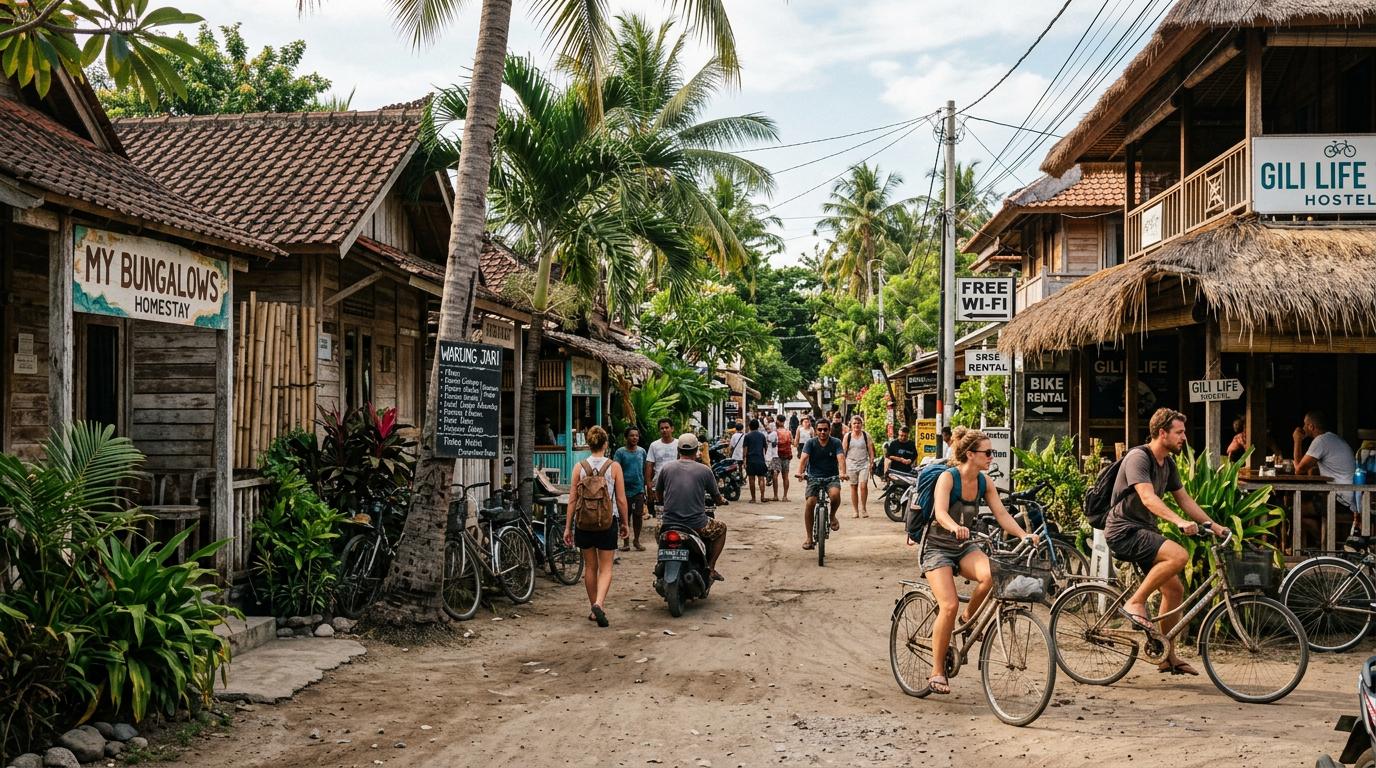
The best recommendation for most travelers is to stay along Gili Trawangan’s quieter northern or western beachfront rather than directly beside the main nightlife strip. You remain close enough to reach restaurants, snorkeling and diving services, while gaining better sleep and a more convincing beachfront escape. Explore Gili Trawangan vacation rentals to compare suitable options.
The island’s main eastern and southeastern stay area suits nightlife-first travelers. It is the most convenient choice for restaurants, evening activity and easy access to the island’s busiest social stretch. Choose it if you expect to spend more time out than in your villa, or if you want short walks back after dinner. The trade-off is noise, foot traffic and a less peaceful beach experience, particularly during busy periods. This is convenience over calm, not the best choice for light sleepers. For travelers prioritizing evening activity, a nightlife-friendly place to stay may be the better fit.
For diving, prioritize the central-to-eastern side where access to diving operators and daily activity is simplest. You will spend less time arranging transport before early water sessions and can combine diving with nearby restaurants afterward. This area also works well for travelers who want snorkeling access without committing to the liveliest beachfront. Ask about equipment storage, rinsing facilities and practical pickup arrangements before booking; a beautiful villa is less useful when wet gear has nowhere sensible to go.
The northern and western stretches are the stronger choice for beachfront relaxation. They offer a quieter setting, more privacy and a better chance of enjoying outdoor space without constant movement around the property. These are among the best areas to stay in Gili Trawangan for couples, families and travelers treating the island as a rest stop rather than a nightlife base. The honest friction is service access: restaurants and diving facilities may require a longer walk or local transport, and the beach can be less convenient for quick errands. Browse Gili Trawangan accommodation options with your preferred level of seclusion in mind.
When comparing Gili Trawangan beachfront villas, direct beach access matters more than a large room. Look for a genuinely usable outdoor area, shade, secure doors and reliable air-conditioning or ventilation for sleep. Privacy is equally important: a pool or terrace exposed to a path may feel less restful than a smaller, screened space. Confirm how easily you can reach food, drinking water, medical help and transport before choosing a remote-looking villa.
In short, choose the eastern area for nightlife, the central-eastern area for diving convenience, and the north or west for quiet beachfront time. That is the practical answer to where to stay in Gili Trawangan: match the shoreline to your daily priority instead of assuming one base delivers every advantage.


 8.2
8.2
-
Private Beach
-
Oceanfront
-
Breakfast
-
 Ocean View

 7.4
7.4
-
Private Beach
-
Oceanfront
-
Breakfast
-
Parking
Which Gili Trawangan Diving and Snorkeling Stays Fit Water Lovers?
For most water-focused travelers, the best Gili Trawangan lodging base is near the island’s main beach and activity strip, but not directly beside the busiest evening venues. This position keeps early diving and snorkeling sessions practical while leaving restaurants and nightlife within an easy walk.
Choose a stay by the water access you will use most. Lodging close to the main beach areas suits travelers planning repeated morning swims, snorkeling outings, or dive sessions; less time is lost getting to the shoreline, and returning for a midday break is simpler. The trade-off is evening noise and more foot traffic, especially around the social side of Gili Trawangan. A villa slightly inland or away from the busiest strip is the better choice for light sleepers and divers who value recovery space over being steps from the action.
Villa design matters more than decorative style here. Prioritize a shaded outdoor area, a bedroom that can stay cool during a midday rest, and enough room to dry swimwear and equipment without turning the sleeping space into a gear store. A private pool can be useful after an early session, but it does not replace direct access to the beach for travelers who want to snorkel independently. A quiet terrace also makes evening dining more comfortable when the day has started before breakfast.
The strongest compromise is a villa within walking distance of both the main beach and Gili Trawangan’s restaurant and nightlife areas, while remaining just far enough from the loudest late-evening flow. It suits couples and small groups dividing their time between underwater activities and social evenings. Expect a little pedestrian traffic and occasional noise; proximity is rarely completely silent on the island, particularly after dinner.
Relaxed swimmers should choose differently. A genuinely beachfront villa is worth prioritizing if the plan is unhurried swimming, reading, and returning to the water whenever conditions appeal. You may walk farther for diving access or nightlife, but that inconvenience is minor when the villa itself is the main experience rather than a launch point for multiple sessions.
For divers, ask about the practical route to the relevant beach area before booking, not simply whether a property is “near the sea.” A short walk with wet gear can feel inconvenient before an early departure, while midday returns are much easier when the route is direct. Travelers arriving by bus should also confirm the final approach to their lodging area, since the last stretch on Gili Trawangan may involve walking rather than a vehicle. Lodging near the main activity side offers the most balanced base; beachfront seclusion wins only when rest and swimming clearly outrank fast access to diving and nightlife. Compare available stays before booking.
What Does a Gili Trawangan Trip Cost?
A Gili Trawangan trip is easiest to budget by separating accommodation, food, local transport, water activities and nightlife rather than chasing one daily figure. Start by deciding which feature matters most—beach time, diving or evening access—then spend on that priority and keep the other categories flexible.
Accommodation usually creates the biggest difference in value. Compare villa rates by location, private or shared facilities, air-conditioning, breakfast, pool access and walking distance to the shoreline, restaurants and nightlife. A beachfront villa can justify a higher rate if you will use the beach daily and want convenience; an inland or quieter lodging area may offer better value if you prefer space and plan to spend most days diving or exploring.
For most travelers, the clearest choice is between a relaxed beachfront base and a nightlife-access base. Beachfront lodging suits couples, families and anyone treating swimming or sunset time as the main attraction. Staying closer to the island’s restaurant and nightlife concentration suits travelers who expect late evenings and want to reduce walking after dark. The trade-off is straightforward: convenience can matter more than a nominally cheaper room, while quieter areas may require more local transport and planning.
Keep meals as a separate allowance. Food spending depends on whether you favor casual local meals, sit-down restaurants or repeated drinks with dinner, so check current menus locally rather than relying on outdated online figures. Ask your accommodation about current transport options and fares for short trips; bus-related transport context and other island services can change, and there is no need to build your budget around an unverified fixed price.
Water activities deserve their own line. Snorkeling costs vary by operator, route and equipment inclusion, while diving depends on the number of dives, certification needs, equipment and current conditions. Compare inclusions carefully and confirm prices and schedules with current operators or official local sources before committing. Weather can disrupt boat-based plans, so leave financial and schedule flexibility rather than booking every activity back-to-back.
Nightlife also varies sharply: a quiet drink, dinner and several late outings produce very different totals. Set an evening allowance separately, then check current venue prices on Gili Trawangan. The honest friction is that popular departures and activities may involve queues or weather delays, making the cheapest plan less convenient. A useful budget therefore protects the feature you came to use most and trims optional spending elsewhere.
Mistakes to Avoid When Booking Gili Trawangan Accommodation
The biggest booking mistake on Gili Trawangan is treating “beachfront” as a complete location description. Before choosing a villa, check its practical access to restaurants, snorkeling, diving and nightlife, then decide whether that setting matches how you actually want to use the island.
A base close to the main activity areas suits travelers who want evening food, nightlife and easier access to diving or snorkeling arrangements without relying on long walks. It is the more convenient choice, but nighttime noise can be part of the deal. If restorative sleep matters, ask the property about its distance from busy evening areas and whether rooms have effective privacy and sound protection; do this respectfully, because Gili Trawangan’s evening atmosphere is part of its character.
A quieter villa area is better for beach relaxation, privacy and unhurried mornings. The trade-off is friction: restaurants, diving access and nightlife may require more walking, and luggage can be awkward if the arrival route or final approach is unclear. Do not assume a bus connection or transfer ends at your door. Confirm where you will be dropped off, whether the route is walkable with luggage, and whether the property can explain the practical arrival process.
Do not book on the villa’s headline features alone. Verify the current details directly with the property or an official source: whether the beach is genuinely usable from the accommodation, how private the outdoor space is, what “villa” includes, and which policies currently apply. Photos may not answer questions about neighboring buildings, shared areas or nighttime activity.
The final mistake is overpacking the itinerary. Trying to combine beach time, snorkeling, diving, restaurant hopping and late nights every day can undermine the recovery time that diving and heat demand. Choose one primary purpose for your lodging area, leave space between activities, and accept that the best Gili Trawangan accommodation is not necessarily the most central or the most secluded—it is the one whose access, sleep conditions and facilities match your priorities.
 10.0
10.0
-
 Private Pool
 -
Breakfast
-
Pool
-
Ocean View

 9.3
9.3
-
Breakfast
-
Parking
-
Pool
-
 Balcony/Terrace
 8.8
8.8
-
Private Pool
-
Oceanfront
-
 Hot Tub
 -
Breakfast

-
Parking
-
Pool
-
 Kitchen
 -
 Air Conditioner
Is Gili Trawangan a Good Base for Diving and Nightlife?
Yes. Gili Trawangan is a strong base for combining diving, beaches, restaurants and nightlife, but the best lodging area depends on how much evening activity you want outside your door. For most travelers, choose a central lodging area near the main restaurant and nightlife strip: it offers the easiest access to dive operators, snorkeling trips and the island’s busier social scene, while remaining close to the beach.
For couples, a beachfront villa in a quieter area is the better choice, especially if privacy, swimming access and restorative mornings matter more than walking straight into nightlife. Look for villa features such as a private outdoor space, direct beach access or a pool, but expect a longer walk to restaurants and evening activity. Divers should prioritize central convenience or the side of Gili Trawangan closest to their chosen dive operation; carrying equipment across the island is an avoidable nuisance. Social travelers should stay centrally, where restaurants, beach time and nightlife are easiest to combine. The honest trade-off is noise and foot traffic: the liveliest areas are less peaceful, while quieter lodging areas may require a walk after dinner or a night out. In short, pick central lodging for convenience and connections, or a quieter beachfront villa for couples who value calm over immediate nightlife.
Can You Walk Between Gili Trawangan’s Stay Areas?
Yes, you can walk between most stay areas on Gili Trawangan, but “walkable” does not always mean convenient. The main settlement is the practical base for restaurants, nightlife, snorkeling access and many diving activities; quieter villa areas suit travelers prioritizing beach relaxation and space. Before booking, check the route to the beach, dining strip and dive operator, not just the distance shown on a map.
Use a simple test: could you comfortably walk the route with luggage in the heat, return after dark, and manage it if mobility is limited? A villa farther from the busy area may be the better choice for quiet nights and a beachfront feel, while lodging closer to the main activity area is more suitable if you want restaurants, nightlife and daily snorkeling or diving access without relying on local transport. The honest friction is that heat, uneven walking conditions, weather and late-night returns can make a short route feel much longer. Confirm with your lodging how arrivals are handled, whether transport can reach the property, and what local options are available if walking is impractical; bus connections may be relevant for the wider journey, but do not assume they solve island transfers. For most first-time visitors, choose the most convenient walkable base unless the villa itself—and its quieter setting—is the main reason for staying on Gili Trawangan.